
GLP-1 Weight Support
In Pittsburgh, PA

GLP-1 Weight Support
GLP-1 Weight Support at The Wellow, in East Liberty, Pittsburgh, is a medically supervised wellness program designed to support sustainable weight management through prescription GLP-1 therapy, appetite regulation, and metabolic guidance. Treatment plans are individualized and guided by licensed medical professionals, with ongoing monitoring focused on safety, education, and long-term health outcomes. This program is often selected by individuals seeking a structured, medically guided approach to weight management as part of a comprehensive wellness plan.

The Benefits of GLP-1 Weight Support
At the Wellow, GLP-1 Weight Support is delivered as a comprehensive medical program, not a transactional service. This means the program physician oversight, individualized dosing, metabolic guidance, ongoing monitoring to support safe, sustainable outcomes. This approach differs from many retail or med-spa offerings that provide limited evaluation or follow-up.
GLP-1 medications work by mimicking naturally occurring hormones that regulate appetite, gastric emptying, and glucose metabolism. When used under appropriate medical supervision, they can support meaningful improvements in weight-related health and eating behaviors.
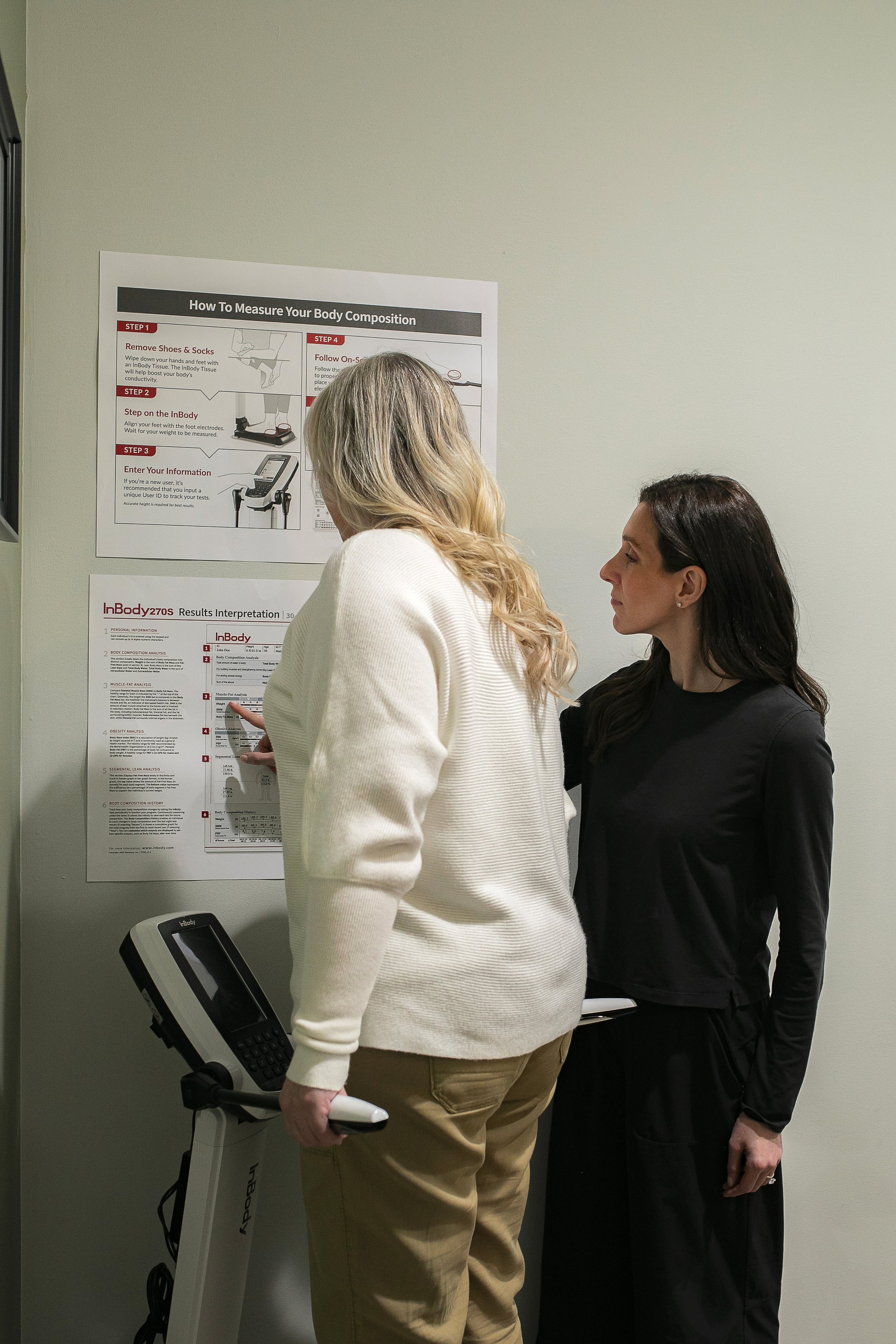
Benefits Include:
Reduced appetite and decreased hunger signals
Earlier satiety, helping you feel full with smaller portions
Reduced food cravings, particularly for highly processed foods
Clinically meaningful weight reduction when combined with lifestyle support
Improvement in weight-related metabolic markers, such as blood sugar regulation
Support for gradual, steady sustainable progress rather than rapid loss
Ongoing medical professional guidance to optimize dosing, minimize side effects, and monitor health




The Wellow Approach
GLP-1 Weight Support at The Wellow is delivered as part of a comprehensive, medically guided wellness program, not a stand-alone injection service. Our approach prioritizes patient safety, education, and individualized care under the supervision of licensed medical professionals. GLP-1 therapy affects multiple body systems, including digestion, metabolism, and hormonal signaling. Safe use requires proper screening, gradual dose titration, and ongoing monitoring for tolerability and effectiveness. Treatment begins with a medical evaluation and continues with structured follow-up to ensure therapy remains appropriate as your body responds. Adjustments are made based on progress, side effects, lifestyle factors, and long-term health goals.
Personalized Assessment
Your program begins with a thorough medical evaluation to determine if GLP-1 therapy is appropriate based on your health history, current medications, metabolic factors, and treatment goals.
Nutritional Strategy Aligned with GLP-1 Effects
GLP-1 medications slow gastric emptying and reduce appetite, which changes how much you can comfortably eat. Guidance focuses on nutrient-dense foods, adequate protein intake, hydration, and eating patterns that support energy and preserve lean muscle mass.
Ongoing Monitoring and Dose Management
Your provider monitors progress, tolerability, and overall health throughout treatment. Medication dosing is adjusted as needed to optimize effectiveness while minimizing side effects. For appropriate patients, monitoring may include markers related to glucose regulation or other metabolic indicators.
Body Composition Preservation
Rapid weight loss can include loss of muscle as well as fat. Recommendations may include protein target, resistance training, and activity strategies to support lean mass, functional strength, and metabolic health.
Side-Effect Management and Support
Common side effects such as nausea, reflux, or gastrointestinal discomfort are proactively addressed through dosing adjustments, nutrition guidance, and supportive strategies to improve tolerability
Long-Term Maintenance Planning
Weight regulation is a chronic metabolic process. Planning focuses on sustainable habits, transition strategies if medication is adjusted, and support for maintaining progress over time.
WHAT GLP-1’S Treat


Appetite control
Metabolic wellness
Healthy lifestyle habits
Steady weight-related goals
The Science Behind GLP-1 Weight Support
GLP-1 medications mimic a naturally occurring hormone that regulates appetite, satiety, and digestion. These medications help reduce hunger and slow gastric emptying, allowing you to feel comfortably full with smaller periods and for longer periods after eating.
As appetite signals become more regulated, many patients find it easier to make intentional food choices and maintain consistent eating patterns. Proper nutrition remains essential during treatment. Emphasis on protein intake, hydration, and balanced nutrition helps preserve lean muscle mass while weight loss occurs, supporting healthier body composition and sustained energy levels.
Over time, this process can support gradual improvements in weight and metabolic health when combined with appropriate lifestyle support. Treatment plans are individualized and carefully monitored to ensure safe, steady progress, and long-term sustainability.
Before and After Care Instructions
Before Your Treatment
Complete a consultation with a medical provider to review health history, medications, and eligibility.
Disclose all current medications, supplements, and medical conditions, including any history of gastrointestinal disorders, thyroid conditions, pancreatitis, or metabolic disease.
Eat balanced meals and maintain good hydration in the days prior to starting treatment.
Discuss lifestyle factors such as activity level, nutrition, and sleep, as these influence treatment response and safety.
Avoid initiating therapy immediately before major travel or important events, as your body may need time to adjust to the medication.
During Your Treatment
Follow the dosing schedule prescribed by your provider and do not adjust doses without medical guidance.
Eat slowly and stop when you feel comfortably full to support the medication’s appetite-regulating effects.
Prioritize adequate protein intake and balanced nutrition to help preserve lean muscle mass during weight loss and support healthy metabolism.
Maintain regular hydration to reduce the risk of fatigue, constipation, or dizziness.
Engage in appropriate physical activity — including resistance or strength training when possible — to support muscle preservation and overall metabolic health.
Expect possible side effects such as nausea, decreased appetite, reflux, constipation, or digestive changes, which often improve as the body adapts.
Avoid alcohol, very large meals, or high-fat foods during the early stages of treatment, as these may worsen gastrointestinal symptoms.
Maintain scheduled follow-up visits so your provider can monitor progress, adjust dosing, assess tolerability, and support long-term success.
For more detailed instructions, please refer to Pre- and Post-Care Instructions provided prior to and after your treatment.
Frequently Asked Questions (FAQ’s)
-
GLP-1 therapy prescription medications that mimic a naturally occurring hormone involved in appetite regulation, digestion, and blood sugar control.
-
GLP-1 medications help reduce hunger, slow gastric emptying, and promote earlier feelings of fullness. This can make it easier to maintain appropriate portion sizes, reduce cravings, and establish sustainable eating patterns that support gradual weight loss.
-
Candidates typically include adults seeking medical support for weight management who meet appropriate health criteria. Eligibility is determined through a medical evaluation by a Wellow provider that considers body weight, health history, medications, and overall goals.
-
Most patients tolerate GLP-1 therapy well. Your provider will adjust dosing to maximize comfort and effectiveness while minimizing side effects.
-
Many patients notice reduced appetite or earlier satiety within the first few weeks. Weight-related changes typically occur gradually over time as eating patterns and metabolism adjust.
-
Side effects may include nausea, fullness, constipation, reflux, or decreased appetite, particularly during dose adjustments. These effects are often temporary and can usually be managed with medical guidance. Notify your provider of any symptoms so your treatment plan can be adjusted if needed.
-
There is no single required diet, but balanced nutrition is essential. Your provider may recommend adequate protein intake, hydration, and portion guidance to support energy levels, muscle preservation, and long-term success.
-
GLP-1 medications affect multiple body systems, including digestion, metabolism, blood sugar regulation, and hormonal signaling. Safe and effective use requires appropriate screening, gradual dose titration, and ongoing monitoring by a qualified medical provider. A qualified medical provider at The Wellow can determine whether treatment is appropriate for your health history, manage side effects, monitor progress, and provide guidance on nutrition, hydration, and preservation of muscle mass during weight loss.
-
Results vary from person to person. Many patients notice changes in appetite and some weight loss within the first few weeks, with steady progress continuing over time. Treatment is intentionally paced to support sustainable weight loss, since losing weight too quickly can lead to muscle loss and is often harder to maintain long-term. Your provider will monitor your progress and adjust your plan as needed to support healthy, lasting results.
-
GLP-1 medications are often used for chronic weight management. Treatment duration depends on individual goals, medical response, and provider recommendations. Some patients continue therapy long term, while others transition to maintenance strategies under medical supervision.
-
The Wellow in Pittsburgh’s East Liberty neighborhood offers GLP-1 Weight Support for patients seeking a guided and sustainable approach to wellness.
Schedule your consult and discover confidence that feels natural.